
As we grow older, our bodies naturally change in many ways. We may notice differences in energy levels, mobility, sleep patterns, and even how we respond to hot or cold weather. While seasonal changes have always been a part of life, today’s climate patterns can feel more unpredictable than ever. Heat waves seem hotter, winters can be harsher, storms may arrive unexpectedly, and air quality can change quickly.
For seniors, these environmental changes can have a greater impact on health and well-being than they do for younger adults. What once felt like a normal summer day may now feel exhausting. A cold snap that seemed manageable years ago might now affect comfort, mobility, or even safety.
The good news is that adapting to climate changes does not require major lifestyle changes. Often, small adjustments and healthy habits can help older adults stay comfortable, safe, and active throughout the year.
Understanding how weather and climate affect the aging body can help seniors prepare for seasonal challenges and continue enjoying life with confidence. By paying attention to personal health needs and making thoughtful choices, it is possible to stay healthy and comfortable no matter what the weather brings.
Why Climate Changes Affect Seniors Differently
As people age, the body becomes less efficient at regulating temperature. This means it may take longer to cool down during hot weather or warm up during cold weather.
Older adults often sweat less than younger people, making it harder for the body to release excess heat. Circulation changes can also make it more difficult to stay warm when temperatures drop.
Certain medications and health conditions may increase sensitivity to heat, cold, humidity, or poor air quality. Because of this, seniors may face a higher risk of dehydration, heat exhaustion, hypothermia, or breathing difficulties during extreme weather conditions.
Understanding these changes is the first step toward protecting health and preventing problems before they start.
Staying Safe During Hot Weather
Summer can be enjoyable, but excessive heat can become dangerous, especially for older adults.
Many seniors do not feel thirsty as often as they once did, which can make dehydration more likely. Unfortunately, dehydration can lead to dizziness, weakness, headaches, confusion, and even serious medical complications.
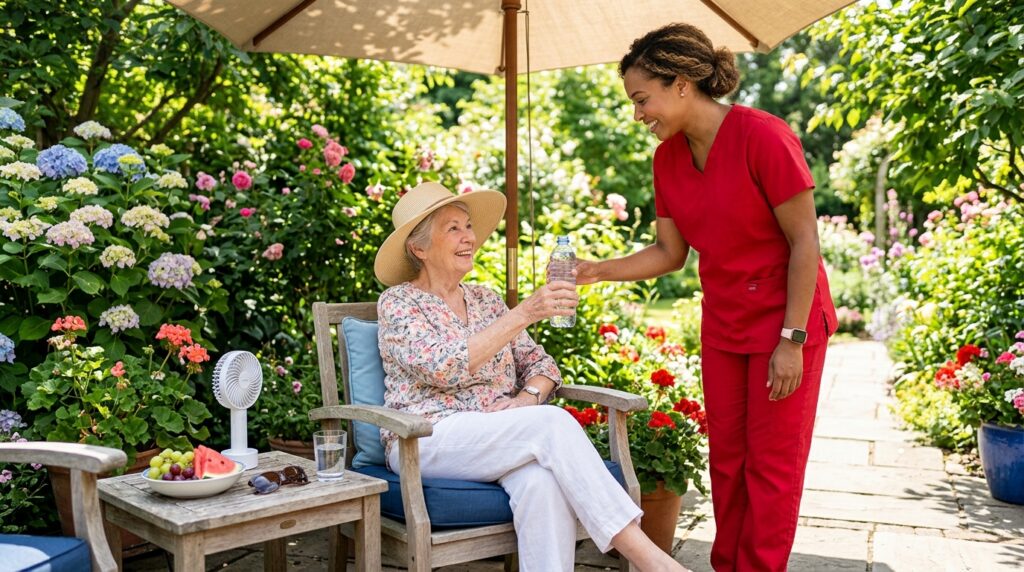
Drinking water regularly throughout the day is one of the simplest and most effective ways to stay safe during hot weather. Waiting until you feel thirsty may not be enough.
It is also helpful to stay indoors during the hottest part of the day when temperatures are at their highest. Wearing lightweight clothing and using fans or air conditioning can improve comfort and reduce stress on the body.
Paying attention to how you feel is important. If you begin feeling unusually tired, dizzy, or overheated, it may be a sign that your body needs rest, hydration, and cooler surroundings.
Protecting Yourself During Cold Weather
Cold temperatures can also create challenges for older adults.
As circulation changes with age, staying warm becomes more difficult. Cold weather can increase discomfort in joints and muscles and may raise the risk of falls due to icy walkways or slippery surfaces.
Dressing in layers can help trap body heat and make it easier to adjust to changing temperatures throughout the day.
Keeping the home comfortably warm is also important. Even mild indoor chills can affect comfort and health, especially for seniors who spend most of their time indoors.
During winter months, maintaining regular movement can help improve circulation and reduce stiffness. Gentle stretching and light activity indoors can make a noticeable difference in how the body feels.
Understanding the Impact of Air Quality
Climate changes often affect air quality, especially during periods of extreme heat, wildfires, or high pollution levels.
Poor air quality can be particularly difficult for seniors who have asthma, allergies, heart conditions, or other respiratory concerns.
On days when the air quality is poor, spending more time indoors may be the safest option. Keeping windows closed and using air filtration systems when available can help reduce exposure to pollutants.
Breathing clean air is something many people take for granted until it becomes a challenge. Paying attention to local air quality reports can help seniors make informed decisions about outdoor activities.
Managing Seasonal Allergies
Seasonal allergies can become more troublesome as weather patterns shift.
Longer allergy seasons may bring more pollen and other airborne irritants. Symptoms such as sneezing, congestion, itchy eyes, and fatigue can affect comfort and daily routines.
Simple steps such as showering after spending time outdoors, changing clothes, and keeping windows closed during high-pollen days can help reduce exposure.
If allergy symptoms become persistent or severe, discussing them with a healthcare provider may help identify effective treatment options.
Managing allergies early can prevent unnecessary discomfort and improve overall quality of life.
Preparing for Unexpected Weather Events
Storms, heavy rain, extreme temperatures, and power outages can occur with little warning.
Having a simple emergency plan can provide peace of mind.
Knowing where important medications, phone numbers, flashlights, and supplies are located can help reduce stress if an unexpected weather event occurs.
Preparation is not about fear. It is about confidence.
When seniors feel prepared, they can respond to challenges more calmly and effectively.
Even small preparations can make a big difference during emergencies.
Supporting Emotional Well-Being During Seasonal Changes
Climate changes can affect emotional health as well as physical health.
Long periods of extreme weather may limit outdoor activities, reduce social interaction, and increase feelings of isolation.
Many seniors enjoy spending time outdoors, visiting friends, or participating in community activities. When weather conditions interfere with these routines, feelings of loneliness or frustration may appear.
Finding indoor activities that bring joy can help maintain emotional balance. Reading, hobbies, conversations with loved ones, listening to music, and staying socially connected can all support mental well-being during difficult weather periods.
Taking care of emotional health is just as important as protecting physical health.
Staying Active Throughout the Year
Regular movement remains one of the most important habits for healthy aging.
Weather conditions may sometimes limit outdoor activities, but there are many ways to stay active indoors.
Gentle stretching, walking inside the home, chair exercises, and simple household activities can help maintain strength, flexibility, and balance.
Physical activity supports heart health, improves mood, and helps the body adapt more effectively to seasonal changes.
The goal is not intense exercise. The goal is consistent movement that keeps the body engaged and functioning well.
Listening to Your Body
Perhaps the most important skill when adapting to climate changes is learning to listen to your body.
Your body often provides early warning signs when something is not right. Fatigue, dizziness, unusual weakness, shortness of breath, or changes in appetite may signal that weather conditions are affecting your health.
Paying attention to these signals and responding early can prevent small concerns from becoming larger problems.
There is no need to push through discomfort simply because you used to tolerate certain conditions years ago.
Healthy aging involves respecting your body’s changing needs and making adjustments when necessary.
Conclusion
Climate changes are becoming a more noticeable part of daily life, and seniors may feel their effects more strongly than younger adults. However, with awareness, preparation, and simple healthy habits, older adults can continue living comfortably and safely throughout the year.
Staying hydrated, dressing appropriately for the weather, monitoring air quality, maintaining physical activity, and paying attention to emotional well-being can all help seniors adapt successfully to changing conditions.
Aging does not mean giving up independence or enjoyment. It simply means learning new ways to care for yourself as your needs evolve.
By making thoughtful adjustments and staying aware of how weather affects your body, you can continue to enjoy each season with confidence, comfort, and peace of mind.