
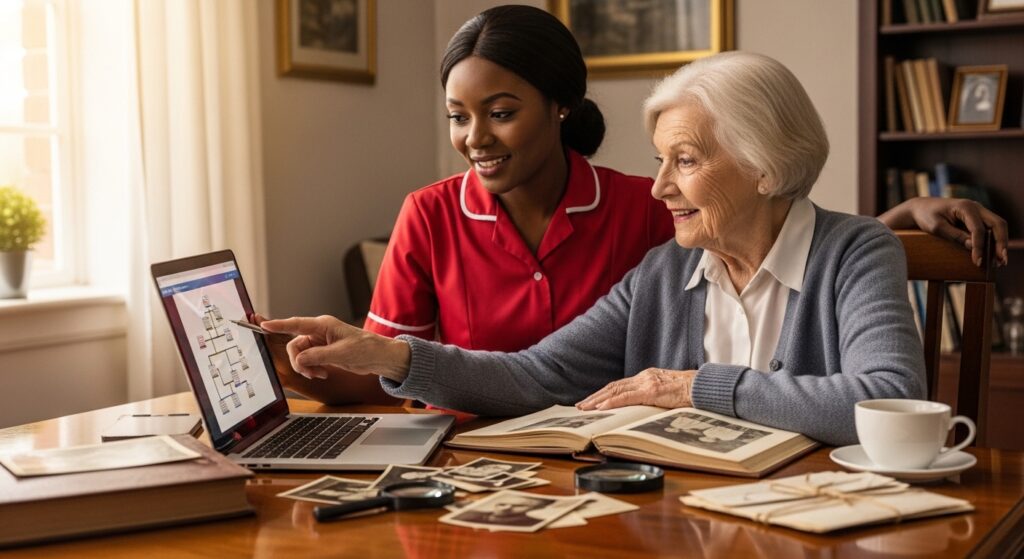
As we grow older, we often find ourselves thinking more about where we came from. We remember stories our parents told us. We wonder about grandparents we never met. We look at old photographs and feel a quiet curiosity about the lives behind those faces. This natural curiosity makes genealogy a beautiful and meaningful hobby for seniors.
Genealogy, the study of family history, is more than just building a family tree. It is a journey into the past that helps you understand your identity, your heritage, and the generations that shaped your life. For many seniors, it becomes not just a hobby, but a deeply personal and fulfilling experience.
Why Genealogy Is Perfect for Later Life
Retirement often brings more free time. While this can be relaxing, it can also leave some people feeling unsure about how to spend their days. Genealogy offers a sense of purpose and direction. It gives you a project that grows over time and keeps your mind active.
As a senior, you are in a special position when it comes to family history. You may remember stories that younger generations have never heard. You may still have access to older relatives who can share memories. Your role becomes important in preserving family knowledge before it is lost.
Working on your family history also connects your past and present. It helps you see how your own life fits into a much larger story. That understanding can bring comfort and pride.
Keeping the Mind Sharp and Engaged
Researching your family history is like solving a puzzle. You gather pieces of information from different places and slowly put them together. You search through records, ask questions, and compare details.
This kind of activity keeps your brain active. Reading old documents, remembering dates, and organizing information all help maintain mental sharpness. It encourages curiosity and learning.
Many seniors worry about memory loss as they age. While no hobby can stop aging, staying mentally engaged is one of the best ways to support brain health. Genealogy gives you a reason to think, explore, and stay mentally alert.
Connecting With Family in New Ways
One of the most rewarding parts of genealogy is sharing discoveries with family members. When you find out where your ancestors lived or what kind of work they did, those stories bring your family closer together.
You may discover that your great-grandfather was a farmer, a soldier, or a craftsman. You may learn about immigration journeys or hardships your family overcame. These stories can inspire younger generations.
Grandchildren often enjoy hearing about their roots. It gives them a sense of belonging. When you share your findings, you pass on more than names and dates. You pass on identity and tradition.
Genealogy can also create new conversations within the family. Relatives may remember different details. Sharing memories helps preserve history in a richer and more complete way.
Finding Purpose and Meaning
Later life can sometimes bring feelings of loss. You may no longer work at a job you once loved. Friends may have moved away or passed on. Life may feel quieter.
Genealogy offers a sense of purpose. You become the family historian. You take on the meaningful task of protecting and organizing your heritage.
There is something powerful about knowing you are saving stories for future generations. Your work may be read by great-grandchildren many years from now. That thought alone can bring deep satisfaction.
Many seniors say that researching their family history helps them feel connected to something bigger than themselves. It reminds them that they are part of a long chain of lives, each one important.
Emotional Healing Through Family History
Exploring your roots can also bring emotional healing. You may gain a better understanding of family patterns, struggles, and strengths. Learning about hardships your ancestors faced can put your own challenges into perspective.
You may discover stories of courage, sacrifice, or resilience. Knowing that your ancestors survived difficult times can give you strength in your own life.
At the same time, genealogy can bring up complicated emotions. You may uncover painful events or family secrets. It is important to approach these discoveries with patience and compassion. Every family has both light and shadow.
Understanding the full picture of your family history can help you accept your own story with greater peace.
How to Get Started With Genealogy
Beginning your genealogy journey does not have to be complicated. Start with what you already know. Write down your own full name, birth date, and birthplace. Then list your parents and grandparents, including as much detail as possible.
Talk to older relatives while you can. Ask about childhood memories, family traditions, and important events. Record these conversations if possible, or write notes afterward.
Look through old photo albums, letters, and documents stored at home. Even small details can become important clues later.
There are also many libraries and online resources that make research easier than ever before. Community centers sometimes offer genealogy groups where you can learn from others and share discoveries.
The key is to begin slowly and enjoy the process. You do not have to rush. Genealogy is a long journey, not a race.
The Joy of Unexpected Discoveries
One of the most exciting parts of genealogy is the element of surprise. You may find distant relatives in other countries. You may learn about family traditions that explain habits you still see today.
Sometimes, you may even reconnect with long-lost cousins through your research. These connections can expand your sense of family and belonging.
Every new discovery feels like uncovering a hidden treasure. Even small pieces of information can feel meaningful when they connect to your roots.
The joy comes not just from the answers, but from the search itself.
Creating a Lasting Legacy
As you gather information, you can organize it into a family tree, scrapbook, or written history. Some seniors create printed books to share with family members. Others keep digital records.
By organizing your research, you ensure that your efforts are not lost. You create something lasting that can be passed down through generations.
This legacy becomes a gift. Long after you are gone, your family will still have access to the stories you preserved.
Leaving behind a record of your family’s journey is one of the most meaningful contributions you can make.
Overcoming Challenges Along the Way
Genealogy can sometimes feel overwhelming. Records may be missing. Names may be spelled differently. Dates may not match.
It is important to be patient. Not every question will have a clear answer. Sometimes you will need to accept that certain details remain unknown.
If you feel stuck, take a break. Return to your research later with fresh eyes. Joining a genealogy group can also provide support and encouragement.
Remember that the goal is not perfection. The goal is connection and understanding.
Conclusion
Genealogy is more than a hobby for seniors. It is a journey of discovery, connection, and meaning. It keeps your mind active, strengthens family bonds, and helps you understand your place in history.
As you explore your roots, you may find pride, healing, and a renewed sense of purpose. You become the storyteller and guardian of your family’s past.
In later life, when time feels more precious, genealogy offers something truly valuable. It reminds you that your life is part of a much larger story. It allows you to honor those who came before you and to leave something meaningful for those who will follow.
If you have ever wondered about your family’s story, now is the perfect time to begin. Your past is waiting to be discovered, and the journey may be more rewarding than you ever imagined.