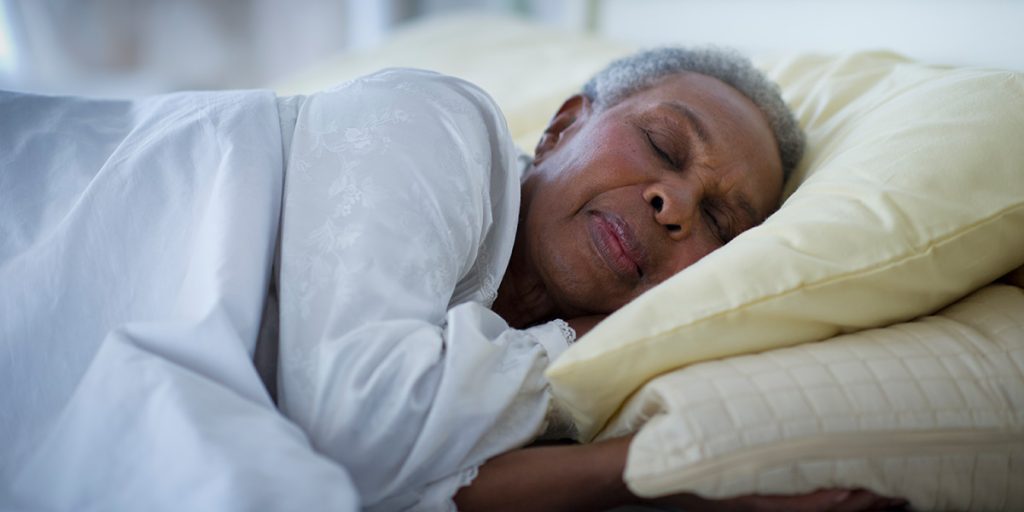

Chronic back pain is something many seniors understand all too well. It can begin as a dull ache and slowly turn into a daily struggle. Getting out of bed may feel harder. Standing in the kitchen too long may cause discomfort. Even sitting for a long time can make your back feel stiff and sore.
When pain lasts for months or even years, it can affect more than just your body. It can influence your mood, your sleep, and your confidence. The good news is that there are many gentle and practical ways to manage chronic back pain at home. While medical advice is important, daily habits and small changes can make a big difference in your comfort and quality of life.
Understanding Chronic Back Pain in Later Life
As we age, our bodies naturally change. The discs between our spinal bones may lose moisture and flexibility. Muscles may become weaker. Years of lifting, bending, and working can slowly affect the spine.
Conditions such as arthritis, osteoporosis, or past injuries can also lead to long-term back pain. Sometimes the pain is constant. Other times it comes and goes.
Understanding that chronic pain is often caused by gradual changes helps you approach it with patience. It is rarely caused by one simple problem, and it often requires a combination of gentle solutions.
The Importance of Proper Posture
One of the most overlooked causes of back pain is poor posture. Slouching while sitting or leaning forward while walking puts extra pressure on the spine.
At home, pay attention to how you sit. Choose chairs that support your lower back. Sit with both feet flat on the floor and your shoulders relaxed. Avoid sitting in very soft chairs that cause you to sink down and bend forward.
When standing, try to keep your head balanced over your shoulders and your shoulders over your hips. Small posture adjustments can reduce strain and prevent pain from getting worse.
It may take time to build better posture habits, but even small improvements can bring relief.
Gentle Movement to Keep the Back Flexible
When you have back pain, it may feel natural to avoid movement. However, staying still for too long can make stiffness worse.
Gentle movement keeps the muscles flexible and improves blood flow. Simple stretching exercises, slow walking, or light yoga can support your spine.
Even short daily walks around your home or garden can help. Movement does not need to be intense. The goal is to stay active without causing more pain.
If you are unsure which exercises are safe, a physical therapist can recommend simple movements that fit your needs. Once you learn them, you can practice them safely at home.
Strengthening the Core Muscles
Your core muscles, including your abdomen and lower back, support your spine. When these muscles are weak, your back carries more pressure.
Simple strengthening exercises done slowly and carefully can improve stability. Even tightening your stomach muscles gently while sitting or lying down can help over time.
Building strength takes patience. Start small and increase gradually. Avoid sudden movements or heavy lifting.
Stronger muscles mean better support for your spine and less strain during daily tasks.
Using Heat and Cold for Relief
Heat and cold therapy are simple but powerful tools for managing back pain at home.
Heat helps relax tight muscles and increase blood flow. A warm towel, heating pad, or warm shower can soothe stiffness, especially in the morning.
Cold packs are helpful when pain feels sharp or inflamed. Applying cold for short periods can reduce swelling and calm irritation.
Many seniors find that alternating between heat and cold provides the best relief. Always protect your skin by wrapping heating pads or ice packs in a cloth.
Creating a Comfortable Sleep Environment
Sleep is essential for healing, yet chronic back pain can make restful sleep difficult.
Your mattress plays an important role. A mattress that is too soft may not support your spine properly. A mattress that is too firm may create pressure points. The goal is balanced support that keeps your spine aligned.
Your sleeping position also matters. Sleeping on your side with a pillow between your knees can reduce pressure on the lower back. If you sleep on your back, placing a pillow under your knees may help.
Good sleep supports both physical and emotional well-being. When you sleep better, you often feel stronger and more able to manage pain during the day.
Being Careful With Daily Activities
Simple daily habits can either protect your back or make pain worse.
When lifting objects, bend your knees instead of your waist. Hold items close to your body. Avoid twisting while carrying something heavy.
Take breaks during household chores. Standing for long periods can increase strain. Break tasks into smaller steps instead of trying to finish everything at once.
Using supportive shoes with good cushioning can also reduce pressure on your spine, especially if you spend time standing or walking on hard floors.
These small changes protect your back from unnecessary stress.
Managing Stress and Emotional Health
Chronic pain does not only affect the body. It can lead to frustration, sadness, or even anxiety. Stress can tighten muscles and make pain feel stronger.
Practicing relaxation techniques can ease both the mind and the body. Deep breathing, gentle meditation, prayer, or listening to calming music can lower tension.
Talking to someone about your pain also helps. Sharing your feelings with a family member or friend reduces emotional burden.
When your mind feels calmer, your body often responds positively.
Maintaining a Healthy Weight
Extra body weight places additional pressure on the spine, especially the lower back. Even a small amount of weight loss can reduce strain and improve comfort.
A balanced diet filled with fruits, vegetables, whole grains, and lean proteins supports overall health. Staying hydrated keeps tissues flexible.
Healthy eating combined with gentle activity can support your back in the long term.
Knowing When to Seek Medical Help
While home care can be very effective, some symptoms require medical attention. Severe pain, sudden weakness in the legs, or loss of bladder control are serious signs that need immediate care.
If your pain continues to worsen or does not improve with home management, consult a doctor. They may recommend physical therapy, medication adjustments, or further tests.
Combining professional care with home strategies often gives the best results.
Conclusion:
Living with chronic back pain can feel discouraging at times. But with patience and consistent care, you can manage your symptoms and maintain a good quality of life.
Improving posture, staying gently active, strengthening your core, using heat and cold, and protecting your back during daily tasks all contribute to relief. Rest, emotional support, and healthy habits also play important roles.
Chronic pain may not disappear completely, but it does not have to control your life. By taking small, thoughtful steps each day, you can reduce discomfort and continue enjoying the activities that matter most to you.
Your body has supported you for many years. With care and kindness, you can support it in return and move forward with greater comfort and confidence.