
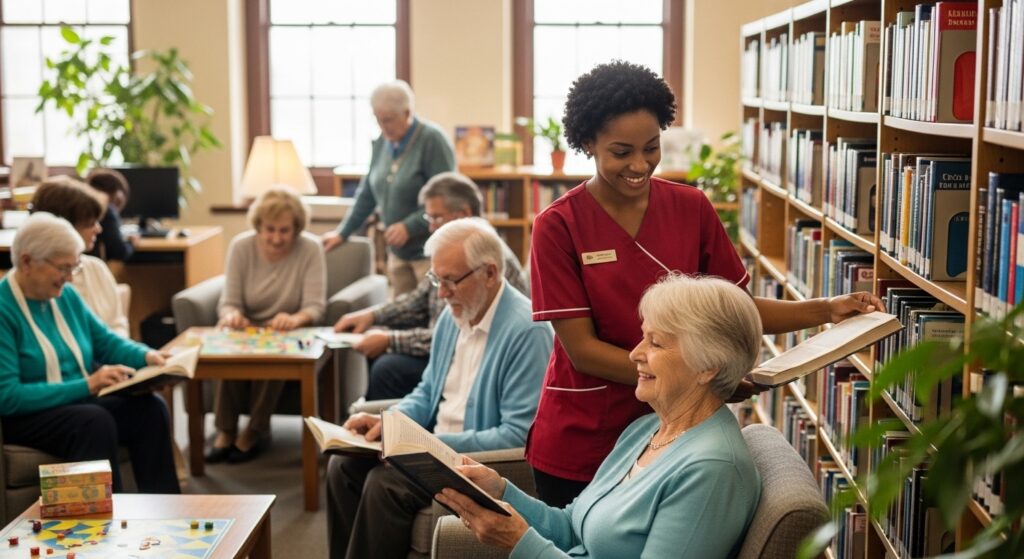
When many people think of public libraries, they imagine quiet rooms filled with shelves of books. While books are still at the heart of every library, today’s public libraries offer much more. For seniors, they can become welcoming spaces for learning, connection, and personal growth.
In later years, staying socially active and mentally sharp becomes especially important. Retirement, health changes, or the loss of friends can sometimes lead to isolation. Public libraries offer a simple, affordable, and friendly way to stay engaged with the world around you. They are not just places to borrow books. They are community centers filled with opportunity.
A Welcoming Space for Everyone
One of the best things about public libraries is that they are open to everyone. You do not need to spend money to enter. You do not need special skills or experience. You simply walk in and feel welcomed.
For seniors, this can be comforting. Some social spaces may feel intimidating or expensive. Libraries are calm, respectful environments where people of all ages gather.
Even spending a few quiet hours in a library can reduce feelings of loneliness. Being around others, even without constant conversation, reminds you that you are part of a larger community.
Keeping the Mind Active Through Reading
Reading is one of the easiest ways to keep your mind sharp. Whether you enjoy novels, history, biographies, or health books, libraries offer a wide variety of choices.
As we age, keeping the brain active becomes important for memory and mental clarity. Reading challenges your thinking. It introduces new ideas and perspectives. It encourages imagination.
Many seniors also enjoy large-print books or audiobooks, both of which are commonly available in libraries. Audiobooks are especially helpful if eyesight has changed. Listening to a story can be just as engaging as reading one.
Making reading a regular habit gives structure to your day and something to look forward to.
Joining Book Clubs and Discussion Groups
Public libraries often host book clubs and discussion groups. These gatherings are wonderful opportunities to meet new people and share ideas.
Talking about a book opens the door to meaningful conversation. You hear different opinions and learn how others interpret the same story. This kind of discussion keeps your mind active and builds social connections.
For seniors who may feel shy about meeting new people, book clubs offer a comfortable starting point. The book itself becomes a shared topic, making conversation easier.
Over time, these groups often turn into supportive friendships.
Learning New Skills at Any Age
Many libraries now offer free classes and workshops. These may include computer basics, smartphone help, art classes, language lessons, or even health seminars.
Learning something new keeps the brain flexible. It builds confidence and reminds you that growth does not stop with age.
Technology classes are especially helpful for seniors. Understanding how to use email, video calls, or social media can help you stay connected with family members who live far away.
When you learn in a group setting, you also build connections with others who share similar interests.
Access to Technology and Online Resources
In today’s world, much information is online. Libraries provide access to computers and internet services for those who may not have them at home.
This access allows seniors to research health topics, read news, explore hobbies, or connect with distant family. Many libraries also offer staff members who are happy to guide you if you have questions.
Online resources such as digital newspapers, magazines, and e-books expand your options even further. You can borrow digital books from home, making it easier to continue reading comfortably.
Staying familiar with technology can reduce feelings of being left behind in a fast-changing world.
Attending Community Events
Public libraries often host community events such as guest speakers, cultural programs, movie nights, and holiday celebrations.
These events provide a simple way to step out of the house and engage with others. You might attend a local author talk, a history lecture, or a craft afternoon.
Events give structure to your week and something to anticipate. Having a reason to leave home regularly can improve mood and reduce isolation.
Even casual conversations before or after an event can lead to new friendships.
Volunteering at the Library
If you are looking for a sense of purpose, volunteering at your local library can be very rewarding. Libraries often welcome volunteers to help with shelving books, assisting with events, or reading to children.
Volunteering keeps you active and involved. It also gives you the chance to give back to your community.
Helping others builds confidence and strengthens emotional well-being. Many seniors find that volunteering brings as much joy to them as it does to those they serve.
A Quiet Place for Reflection
While libraries offer social opportunities, they also provide peaceful spaces for quiet reflection. Sometimes, simply sitting with a book or writing in a notebook can bring calm and clarity.
Later life can bring many thoughts and memories. Having a quiet, respectful place to think or write can be deeply comforting.
Some seniors use library visits as a weekly ritual. It becomes a personal time for growth and reflection.
Balancing social interaction with quiet time supports emotional health.
Encouraging Lifelong Curiosity
Curiosity does not fade with age unless we let it. Libraries encourage lifelong learning by offering endless topics to explore.
You may decide to research your family history, learn about a new country, or study a subject you never had time for during your working years.
This sense of curiosity keeps life interesting. It reminds you that there is always something new to discover.
Staying curious also strengthens resilience. It shifts focus from limitations to possibilities.
Strengthening Emotional Well-Being
Social isolation can quietly affect emotional health in later years. Regular visits to the library provide gentle social interaction without pressure.
Smiling at staff members, chatting with fellow readers, or attending group activities creates connection. These small interactions build a sense of belonging.
When you feel connected, stress often feels lighter. Anxiety may decrease. Confidence may grow.
Libraries offer a safe, welcoming environment where seniors can feel valued and included.
Making It a Regular Habit
The benefits of using public libraries grow stronger when visits become regular. Consider choosing a specific day each week to go.
You might borrow new books, attend a program, or simply enjoy reading in a quiet corner. Over time, familiar faces become part of your routine.
Consistency creates stability and comfort. It turns a simple outing into a meaningful part of your lifestyle.
Conclusion:
Public libraries are more than buildings filled with books. They are spaces of opportunity, learning, and connection. For seniors, they offer a gentle and affordable way to stay socially active and mentally sharp.
Through reading, classes, discussion groups, events, and volunteering, libraries help you stay engaged with the world around you. They provide both community and quiet reflection.
In later years, staying curious and connected is one of the best gifts you can give yourself. A simple visit to your local library may open doors to new friendships, fresh knowledge, and renewed purpose.
If you have not visited your library in a while, consider stopping by. You may discover that it offers much more than you ever expected.