
Growing older does not mean life becomes dull or limited. In fact, the later years can be some of the most enjoyable and creative times of your life. With fewer work responsibilities and more flexible schedules, many seniors finally have the chance to explore interests they once put aside.
Hobbies are more than just ways to pass time. They keep your mind active, your body moving, and your heart engaged. They bring joy, reduce stress, and sometimes even create new friendships. No matter your age, it is never too late to try something new or return to something you once loved.
Why Hobbies Matter in Later Life
As we age, daily routines often change. Retirement can leave extra hours in the day. Children grow up and become independent. Social circles may shift. Without meaningful activities, it is easy to feel bored or isolated.
Hobbies provide structure and purpose. They give you something to look forward to. They stimulate the brain and often improve mood. Studies show that staying mentally and socially active can support emotional well-being and cognitive health.
A hobby does not need to be complicated or expensive. What matters is that it brings you enjoyment and a sense of accomplishment.
Gardening for Peace and Movement
Gardening is one of the most popular hobbies among seniors, and for good reason. It combines gentle physical activity with time outdoors.
Planting flowers, vegetables, or herbs can be deeply satisfying. Watching something grow under your care creates a sense of achievement. Even tending a small balcony garden or a few indoor plants can bring joy.
Gardening also encourages light movement, which supports joint flexibility and overall health. Fresh air and sunlight improve mood and help you feel connected to nature.
For many seniors, gardening becomes a peaceful daily ritual that reduces stress and brings calm.
Creative Arts to Express Yourself
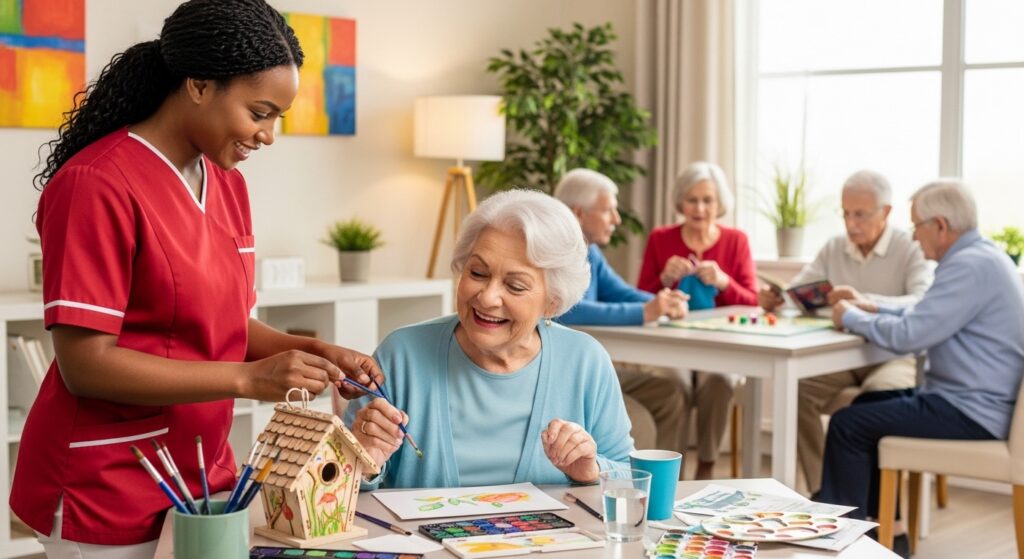
Creative hobbies such as painting, drawing, knitting, sewing, or crafting allow you to express yourself in new ways. You do not need to be an expert to enjoy art. The goal is not perfection, but enjoyment.
Painting landscapes, knitting scarves for grandchildren, or creating handmade cards can be both relaxing and meaningful. Creative work stimulates the brain and encourages focus.
Many community centers and libraries offer art classes designed for seniors. Learning in a group setting adds a social element, making the hobby even more rewarding.
Creativity reminds you that imagination does not fade with age.
Reading and Writing for Mental Stimulation
Reading is a simple yet powerful hobby. Whether you enjoy fiction, biographies, history, or mystery novels, books open doors to new worlds.
Reading strengthens memory and concentration. It keeps the mind active and curious. Audiobooks are also a wonderful option if reading small print has become difficult.
Writing can be equally fulfilling. You might keep a journal, write short stories, or record family memories. Writing helps organize thoughts and preserve important experiences.
Sharing your life stories with younger generations can create a lasting legacy.
Gentle Exercise and Movement Activities
Staying physically active is important at any age. Hobbies that involve gentle movement can improve balance, strength, and flexibility.
Walking groups, chair yoga, tai chi, or swimming are excellent choices for seniors. These activities protect joints while keeping the body active.
Dance classes designed for older adults can also be joyful. Moving to music lifts the spirit and creates social opportunities.
Regular movement not only supports physical health but also boosts mood and energy levels.
Learning New Skills
Learning does not stop after retirement. In fact, this stage of life offers time to explore subjects you may have been curious about for years.
You might take a cooking class, learn a new language, study photography, or explore computer skills. Many community colleges and libraries offer affordable courses for seniors.
Learning something new challenges the brain and builds confidence. It proves that growth continues throughout life.
Trying new skills may feel uncomfortable at first, but stepping outside your comfort zone can be exciting and refreshing.
Playing Games and Puzzles
Games and puzzles are both fun and beneficial for mental sharpness. Crossword puzzles, sudoku, jigsaw puzzles, and board games keep the brain active.
Card games or chess can also become social activities. Playing with friends or family creates laughter and connection.
Games provide light competition and friendly interaction. They encourage thinking, planning, and memory use in an enjoyable way.
Regular mental challenges can help maintain cognitive function over time.
Volunteering as a Meaningful Hobby
Volunteering may not always be seen as a hobby, but it can be one of the most fulfilling activities in later life.
Helping at a local shelter, library, school, or community center keeps you engaged with others. It provides purpose and strengthens community ties.
Many seniors find that volunteering brings a deep sense of satisfaction. Giving your time and experience benefits both you and those you serve.
Purpose is a powerful ingredient for happiness.
Music and Singing for Joy
Music has a special way of touching the heart. Listening to favorite songs from your younger years can bring back positive memories.
Some seniors enjoy learning to play an instrument, such as the piano or guitar. Others join community choirs or simply sing at home.
Music stimulates the brain and improves mood. Singing, in particular, encourages deep breathing and relaxation.
Even if you have never considered yourself musical, exploring music can be a joyful surprise.
Social Hobbies to Build Friendships
Some hobbies are especially good for building connections. Book clubs, walking groups, craft circles, or cooking classes create opportunities to meet like-minded people.
Social hobbies reduce loneliness and provide regular interaction. Sharing interests often leads to meaningful friendships.
Having scheduled activities also gives structure to your week. Anticipating a class or group meeting adds excitement to everyday life.
Connection is just as important as activity.
Choosing the Right Hobby for You
The best hobby is one that fits your interests and physical abilities. Think about what you enjoyed when you were younger. Consider activities you always wanted to try but never had time for.
Start slowly and give yourself permission to experiment. Not every hobby will feel perfect, and that is okay.
Listen to your body and pace yourself. Choose activities that bring joy rather than stress.
Hobbies should add lightness to your life, not pressure.
Conclusion:
Growing older does not mean slowing down in spirit. Fun hobbies bring color, excitement, and meaning to later life. They keep your mind active, your body moving, and your heart engaged.
Whether you choose gardening, painting, reading, volunteering, or learning something new, the important thing is to stay curious and open.
Hobbies create moments of joy and connection. They remind you that life is still full of possibilities.
It is never too late to explore new interests or rediscover old passions. The later years can be a time of creativity, growth, and happiness. All it takes is the willingness to try.