
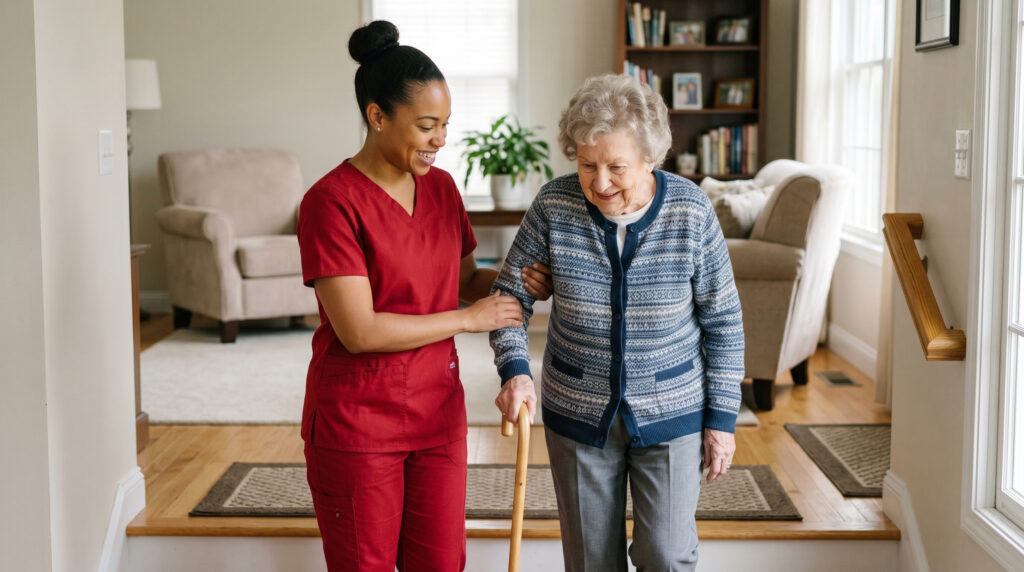
Home is where you should feel the most comfortable and secure. As you grow older, however, certain everyday situations at home can become risky. Slippery floors, poor lighting, loose rugs, and hard-to-reach items can increase the chance of falls or injuries. These accidents often happen in familiar places, which is why home safety becomes more important with age.
The good news is that small changes can make your home much safer. You do not need expensive renovations or complicated equipment. Simple adjustments and good habits can help you avoid accidents and maintain your independence.
This guide will walk you through practical and easy home safety tips every senior should know. These steps can help you feel more confident, comfortable, and secure in your own home.
Keeping Walkways Clear and Safe
One of the most common causes of accidents at home is clutter. Items left on the floor, such as shoes, cords, or small furniture, can easily lead to trips and falls.
Keeping walkways clear makes it easier to move around safely. Make sure hallways, stairs, and entryways are free of obstacles. Try to keep frequently used items within easy reach so you do not need to bend or stretch too much.
A tidy and organized space reduces risks and helps you move around with confidence.
Improving Lighting Throughout the Home
Good lighting is essential for safety. Poor lighting can make it hard to see obstacles, especially at night. This increases the risk of trips and falls.
Make sure your home is well-lit, especially in hallways, staircases, and bathrooms. Night lights can be helpful for moving around after dark. Placing lamps near your bed can also make nighttime movement safer.
Bright and clear lighting helps you see where you are going and reduces accidents.
Making the Bathroom Safer
The bathroom is one of the most common places for falls. Wet floors and slippery surfaces can be dangerous.
Keeping the floor dry and using non-slip mats can help prevent slips. Installing grab bars near the toilet and shower can provide extra support.
Taking your time in the bathroom and avoiding rushed movements can also improve safety. A few simple changes can make this space much safer.
Preventing Falls on Stairs
Stairs can be challenging, especially if balance or strength changes with age. Making sure stairs are safe is very important.
Handrails on both sides of the stairs provide support. Keeping steps clear and well-lit helps you see each step clearly. Avoid carrying heavy items while using stairs, as this can affect balance.
Moving slowly and carefully can help prevent accidents.
Keeping Frequently Used Items Within Reach
Reaching for items placed too high or too low can increase the risk of falling. Climbing on chairs or bending too much can be unsafe.
Try to store everyday items at waist or shoulder level. This reduces the need for stretching or climbing. Rearranging your kitchen and storage areas can make daily tasks easier and safer.
Convenient placement of items helps you maintain balance and avoid injuries.
Wearing Safe and Comfortable Footwear
What you wear on your feet can affect your safety at home. Slippery socks or loose slippers can increase the risk of falling.
Choose comfortable shoes with good grip, even indoors. Proper footwear provides stability and support. Avoid walking barefoot on smooth or wet floors.
Safe footwear helps you move around with confidence.
Keeping Floors Dry and Clean
Wet or uneven floors can be dangerous. Spills should be cleaned quickly to prevent slipping. Loose rugs can also cause trips.
If you use rugs, make sure they are secured properly. Keeping floors clean and dry reduces hazards. Regularly checking for uneven surfaces can also help.
Simple floor safety can prevent many accidents.
Preparing for Emergencies
It is important to be prepared for unexpected situations. Keeping emergency contact numbers nearby can help you get assistance quickly.
Having a phone within reach, especially near your bed, can be useful. Letting a trusted family member or neighbor know your routine can also add safety.
Being prepared gives peace of mind and helps you feel more secure.
Using Assistive Tools When Needed
Using supportive tools can make daily life safer. Items like walking aids, grab bars, and reachers can help you avoid strain.
These tools are designed to improve safety and independence. Using them does not mean losing independence. Instead, they help you stay confident and secure.
Choosing the right support can make everyday activities easier.
Taking Your Time and Moving Carefully
Rushing often leads to accidents. Taking your time when standing up, walking, or changing direction helps prevent falls.
If you feel dizzy or unsteady, pause and wait until you feel stable. Moving slowly gives your body time to adjust.
Careful movement is one of the simplest ways to stay safe at home.
Conclusion
Home safety is essential for maintaining independence and confidence as you age. Simple steps like improving lighting, keeping walkways clear, and making bathrooms safer can reduce the risk of accidents.
Wearing proper footwear, keeping floors dry, and storing items within easy reach also support safe movement. Preparing for emergencies and using helpful tools can provide extra protection.
You deserve to feel safe and comfortable in your own home. With small adjustments and mindful habits, you can reduce risks and enjoy a secure, peaceful living environment every day.